
Tattoo Numbing Cream vs. Numbing Spray: What’s the Difference?
Sep
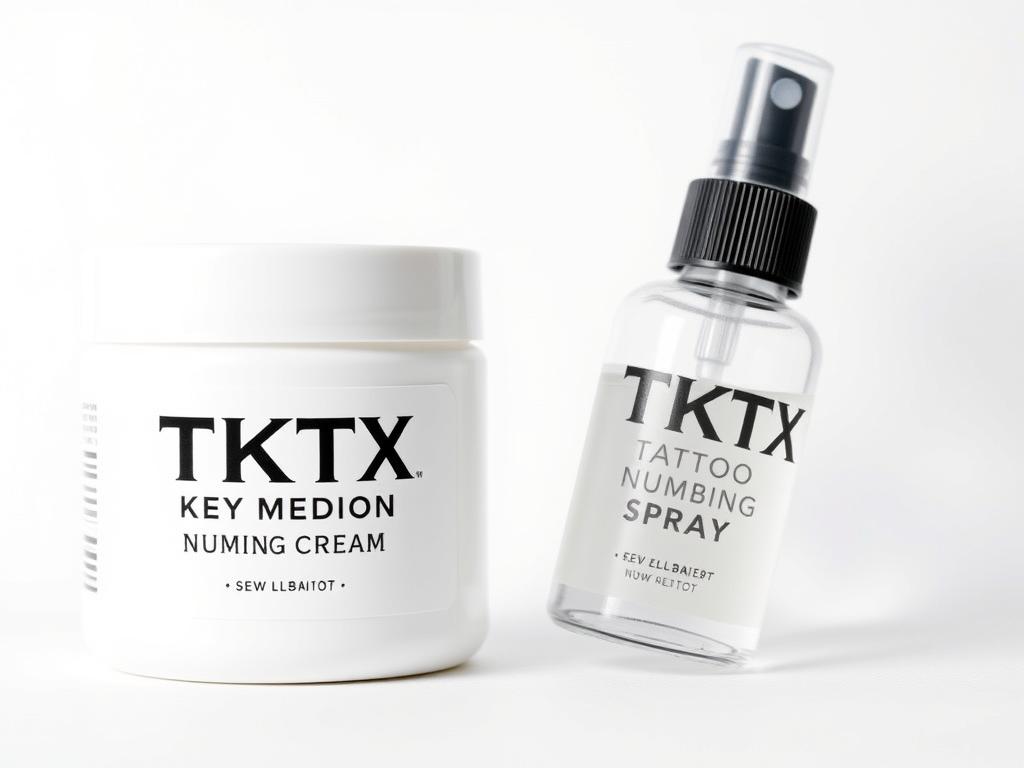
Thinking about getting a new tattoo and worried about the pain? This guide will help you understand the difference between Tattoo Numbing Cream and Numbing Spray. Both are used to reduce pain, but they work in different ways.
Tattoo numbing cream is applied before the tattoo starts. It’s often covered with plastic wrap to help it work better. It’s good for deeper tattoos and keeps the pain away for a longer time.
Numbing spray, on the other hand, is used during the tattoo process. Artists like it because it works fast and can be applied easily between tattooing sessions.
Why does it matter? The ingredients, how deep they penetrate, how fast they work, and how long they last can affect your experience. Most good products use FDA-approved ingredients like lidocaine. Studios and brands follow guidelines to ensure safety and quality.
This article is for everyone interested in tattoos. We’ll look at the science behind both options. We’ll also talk about when to use each for the best experience.
Key Takeaways
- Tattoo numbing cream is best pre-session for deeper, longer Tattoo pain relief; Numbing spray excels during or after the outline for quick boosts.
- Both rely on Topical anesthetics, commonly lidocaine under FDA monograph status in the United States.
- Creams need more time to work but can maintain steadier comfort; sprays act fast and are easy to reapply.
- Differences in penetration depth, onset, and duration explain why artists mix approaches within one session.
- Choose based on placement, session length, skin type, and your artist’s protocol for safety and results.
- Understanding Tattoo Numbing Cream vs. Numbing Spray: What’s the Difference? helps set realistic expectations before you book.
Understanding Tattoo Numbing Products
When it comes to tattoo numbing, you have two main choices: cream or spray. Both are types of local anesthesia, but they work differently. Knowing how they compare is key before you start your tattoo.
Overview of Numbing Cream
Numbing creams are applied to the skin to block the pain from needles. They contain ingredients like lidocaine, prilocaine, tetracaine, or benzocaine. These ingredients help numb the area.
People apply the cream 30–60 minutes before getting a tattoo. They often use plastic wrap to help it absorb better. Brands like Dr. Numb and Hush Anesthetic Cream are popular for their long-lasting effect.
Creams are great for longer tattoos because they provide lasting relief. They might not work as fast as sprays, but they keep you comfortable for hours.
Overview of Numbing Spray
Numbing sprays work quickly to numb the skin. They contain ingredients like lidocaine. Some professional sprays also have epinephrine to reduce bleeding and swelling.
Sprays start working fast, often in seconds or minutes. Artists use them for quick touch-ups or when they need to refresh the numbness. They’re perfect for fast relief in tight spots.
Sprays are ideal for quick fixes during tattoos. They’re fast and easy to use, making them a great addition to your tattoo experience.
Active Ingredients in Numbing Cream
When artists and clients look at Topical anesthetics, the cream’s formula is key. It affects comfort and how long the tattoo takes. Knowing what’s in the cream helps match it to the tattoo’s size and depth.
Common Components
Lidocaine is the main ingredient in most creams, used at 4%–5% in the U.S. Some creams also have prilocaine or tetracaine for extra effect. These creams use things like propylene glycol and PEGs to help them work better.
They also have emollients like aloe vera and vitamin E. Brands often use stabilizers to keep the cream effective. Many creams are paraben-free or fragrance-free for sensitive skin. This makes it easier to compare different options.
How They Work
Lidocaine and similar anesthetics block pain signals by stopping depolarization in nerves. The cream works better when it’s occluded, or covered, because it hydrates the skin. This makes the cream penetrate deeper.
After applying, the effect starts in 20–45 minutes and can last 60–120 minutes. The exact time depends on the dose, area, and skin type. This helps artists plan their work and choose the right cream.
Benefits of Cream Formulations
Creams spread well and reach deeper layers, which is great for shading and color. They also keep the skin moist, making it easier to work with needles. This helps with steady lines and smooth shading.
Many creams are made for use before getting a tattoo. They follow FDA guidelines and offer flexible options for artists. This way, clients get the best experience without interrupting the artist’s work.
| Active Mix | Typical OTC Strength (U.S.) | Onset Under Occlusion | Approx. Duration | Notable Excipients | Use Case Highlights |
|---|---|---|---|---|---|
| Lidocaine | 4%–5% | 20–45 minutes | 60–120 minutes | Propylene glycol, PEGs, aloe vera, vitamin E | Balanced relief for linework and small-to-medium areas |
| Lidocaine + Prilocaine | Up to 2.5% + 2.5% (combined) | 25–45 minutes | 90–120 minutes | Permeation enhancers, stabilizers, fragrance-free bases | Deeper, more uniform effect for shading and color packing |
| Lidocaine + Tetracaine | Variable within OTC limits | 20–40 minutes | 60–120 minutes | pH buffers, emollients, paraben-free options | Fast ramp-up with robust coverage for larger zones |
Active Ingredients in Numbing Spray
Numbing spray is a key part of tattoo sessions. It helps with quick pain relief. This makes it great for touch-ups and comfort during sessions.
Key Ingredients in Sprays
In the U.S., most sprays use lidocaine at 4%–5% for numbing. Some also have epinephrine to reduce bleeding and swelling. You might find antiseptic agents and soothing ingredients like aloe or chamomile.
Artists often use Hush and Vasocaine for quick relief. For more info, check out this tattoo numbing FAQ that compares different products.
Mechanism of Action
These sprays work by blocking sodium channels in nerves. They spread fast and evenly, so pain relief is quick. They’re perfect for short, sharp pain relief between tattoo passes.
Because they’re light and even, artists can stay comfortable without stopping. This is why sprays are great for detailed work.
Advantages of Spray Formulations
- They start working fast, often in under five minutes, for steady pain relief.
- They’re easy to apply with minimal mess. Coverage is even on all areas.
- They target pain spots well, keeping sessions moving without long waits.
- They’re great for detailed work and shading, working well with other products.
Application Methods: Cream vs. Spray
Getting numb the right way is key for steady needle work and smooth tattooing. A good Tattoo numbing products comparison starts with how each format is applied. It also looks at how long it lasts. Proper prep helps with clean lines and safer Tattoo aftercare.
How to Apply Numbing Cream
First, wash the area with mild soap and water, then dry it well. Apply a thick, even layer as directed by the label, usually 1–2 mm. Don’t rub it in.
Next, cover with plastic wrap to help the cream penetrate. Wait 30–60 minutes, depending on the product and body area. Remove the wrap, wipe off any extra, and disinfect before starting the tattoo.
Follow the package’s advice on maximum surface area and dosage to avoid systemic absorption. This careful approach improves Pain management for tattoos and keeps the skin stable for detailed work.
How to Apply Numbing Spray
Start by cleaning and disinfecting the skin as the artist prefers. Use a light, even mist on intact skin as a pre-pass. Or, use it between passes on abraded skin if the label and shop allow.
Let it sit for 1–5 minutes to take effect. Reapply as needed, but avoid using too much. Too much spray can make the skin slick or puffy, slowing the work and distorting the Tattoo numbing products comparison.
Used with care, sprays offer quick relief and maintain comfort between passes. They also keep Tattoo aftercare goals in mind.
Duration of Effectiveness
Creams usually numb for 60–120 minutes after occlusion, then fade. The duration varies by body area, skin thickness, and session intensity.
Sprays work fast but last less, typically 10–30 minutes per use. Many artists use a cream baseline with spray top-ups when allowed. This layered approach supports steady Pain management for tattoos without overloading the skin.
After the session, clean the area, apply the recommended ointment or lotion, and avoid too much sun or soaking during healing. Consistent Tattoo aftercare preserves the tattoo and completes a practical Tattoo numbing products comparison from start to finish.
Efficacy: Which Works Better?
When comparing creams and sprays for Tattoo pain relief, people look at how fast, how deep, and how long the comfort lasts. Artists also consider Local anesthesia options for better session flow and client comfort. A clear comparison of Tattoo numbing products helps set realistic expectations.
Comparison of Pain Relief
Creams provide deeper, longer relief, best for wide or sensitive areas when applied correctly. Sprays work fast and help steady discomfort during detailed work once the skin is open.
In a practical comparison, creams are best in the first hour, while sprays extend comfort mid-session. Many clients use both under artist guidance for balanced pain relief.
User Reviews and Testimonials
U.S. buyers often praise Dr. Numb, Zensa, Hush Cream, and Hush Spray for steady results. They say technique—dose, timing, and wrap—is as important as the product itself.
Professionals find creams support comfort early in sessions, and sprays offer quick touch-ups without re-wrapping. This mixed approach is common in real-world comparisons.
Factors Influencing Effectiveness
- Body site: thinner skin like ribs may feel more; forearms often tolerate better.
- Session length and needle setup: longer sittings and larger groupings can raise pain.
- Technique and timing: correct dosing, occlusion time, and label adherence improve outcomes.
- Client state: sleep, stress, and caffeine affect perceived pain; calm breathing helps.
- Skin condition: hydrated, healthy skin responds better; avoid broken or infected areas with OTC products.
Considering these points can sharpen any Tattoo numbing products comparison. It guides smart use of Local anesthesia options for reliable Tattoo pain relief.
| Aspect | Creams (e.g., Dr. Numb, Zensa, Hush Cream) | Sprays (e.g., Hush Spray) | Best Use Case |
|---|---|---|---|
| Onset | Moderate; typically 20–45 minutes with occlusion | Fast; often within minutes on prepped skin | Sprays for quick boosts mid-session |
| Depth of Relief | Deeper, suited for large or sensitive zones | Surface-level to moderate on active areas | Creams for first-hour coverage |
| Duration | Longer when dosed and wrapped correctly | Short bursts; easy to reapply | Creams for base comfort, sprays for upkeep |
| Workflow Impact | Requires prep time and wrap | Minimal pause; no re-wrap needed | Sprays support steady pacing |
| Skin & Site Factors | Performs well on broad, less vascular areas | Helpful on high-pain spots during peak moments | Choose by location and tolerance |
| Technique Sensitivity | High: dosing, timing, occlusion are key | Moderate: timing and clean application matter | Both depend on proper use |
Safety and Side Effects
Topical anesthetics make it easier for clients to sit longer. But safety is just as important as comfort. Most products are safe when used as directed during Tattoo aftercare and prep. Knowing what to expect and what to avoid is key.
Common Adverse Reactions
Mild side effects include temporary redness, swelling, itching, or a brief burning feel. Some may develop contact dermatitis after using certain products repeatedly.
Rare risks can happen with misuse or sensitivity. Using too much prilocaine or benzocaine can lead to methemoglobinemia. Too much lidocaine can cause dizziness, tinnitus, or even seizures. Allergic reactions need immediate medical attention.
Precautions to Take
- Do a small patch test 24 hours before to check for irritation.
- Follow the label: don’t exceed the dose, area, or contact time.
- Avoid occlusion with sprays unless the product allows it.
- Keep products away from eyes, mucous membranes, and open wounds unless directed.
- Consult a clinician if you have liver disease, heart rhythm issues, G6PD deficiency, or if pregnant or breastfeeding.
- Do not mix multiple anesthetic products without professional guidance; cumulative dosing raises risk.
- Artists should use clean applicators or gloves, log product details, and follow shop hygiene standards.
Using topical anesthetics wisely supports safer Tattoo aftercare and planning. Clear instructions and client screening help avoid surprises.
Comparison of Safety Profiles
Creams use more and may be covered, which can increase systemic absorption if misused. But, when used correctly, they are a reliable choice for numbing.
Sprays apply in thin layers and evaporate quickly, reducing systemic load but may cause brief blanching or dryness. Both types are safe when they follow FDA OTC labeling and professional best practices.
Choose a form that fits the design, skin type, and session length. Remember Tattoo aftercare from the start.
Choosing the Right Numbing Option for You
Choosing between Tattoo numbing cream and Numbing spray depends on your needs. Consider the session length, where you’ll get the tattoo, your pain threshold, and your skin’s history. For big, detailed tattoos or sensitive spots like ribs, a good cream is best. It provides long-lasting relief.
For shorter tattoos or quick touch-ups, a spray is better. It offers fast pain relief without stopping the tattooing.
Factors to Consider: Look for clear labels and ingredients made for tattoos. Avoid products with hidden ingredients. Talk to your artist about when to use each product.
Your skin type is also important. If your skin reacts easily, choose gentler products. Always test new products before your tattoo session.
Professional vs. At-Home Use: Studios often handle numbing to keep things clean and on schedule. If you use products at home, follow the instructions carefully. Tell your artist what you used and when.
Pros might use a cream for the base and a spray for details. This keeps the tattooing smooth without interrupting.
Recommendations for First-Time Tattoo Recipients: Have a consult to discuss numbing options and studio rules. Arrive well-rested and hydrated. Avoid alcohol and too much caffeine before your tattoo.
If using cream, apply it 45–60 minutes before. Confirm with your artist how long it should stay on. Bring a spray for quick touch-ups if allowed. Start small if you’re unsure how you’ll react.
Remember, aftercare is key for healing and color. Follow your artist’s advice and use safe moisturizers to ease soreness.